











Inside Mumbai’s Paparazzi World: The Hidden Work Behind a Few Seconds of Fame
Ever wondered what happens behind Bollywood’s viral celebrity photos and videos? Explore the real world of Mumbai paparazzi, from long hours of waiting and celebrity sightings to social media, PR networks, and the business behind viral moments.
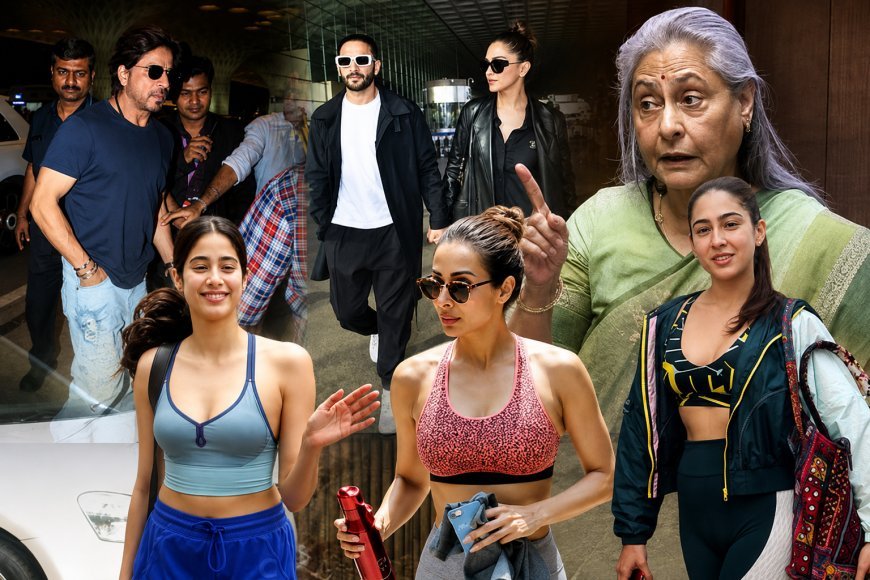
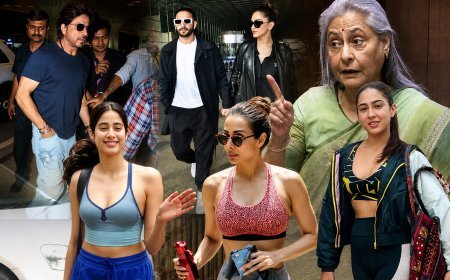
A Bollywood celebrity walks out of a gym. Someone raises a camera. The actor gives a quick smile waves at the photographers and gets into a waiting car.
The whole moment may last less than 10 seconds.
Then it appears on Instagram YouTube Shorts or another social platform where thousands or even millions of people watch it.
For audiences it looks effortless. For the photographer behind the camera that tiny clip may represent hours of waiting constant movement across Mumbai and sometimes a long night spent chasing the next celebrity appearance.
That is the reality of the modern Bollywood paparazzi industry.
The profession has changed dramatically as entertainment has moved from newspapers and websites to social media. Celebrity photographs are no longer simply pictures for tomorrow's entertainment pages. They have become fast moving digital content capable of generating enormous attention within minutes.
And behind that speed is a surprisingly organized business.
The Job Starts Before the Camera Comes Out
A common assumption is that paparazzi photographers simply wait outside celebrity homes and hope someone appears.
The reality is more complicated.
Experienced photographers build their own network of information. They learn which celebrities regularly visit particular gyms restaurants and cafés. They become familiar with the neighborhoods where Bollywood stars spend time particularly areas such as Bandra Juhu and Andheri.
They also monitor vehicles locations and movements.
At the same time celebrity public relations teams can play an important role. According to accounts from photographers interviewed for the original reporting PR representatives sometimes provide information about where a celebrity is expected to appear. In other situations photographers have to rely entirely on their own contacts and observations.
So the photograph that appears spontaneous on social media may actually be the result of a carefully maintained network.

Five Hours of Waiting for a Few Seconds
This is probably the strangest part of paparazzi work.
A photographer might spend several hours outside a gym for a celebrity who eventually appears for only a few seconds.
There is no guarantee of success.
The celebrity may leave through another entrance. The timing may change. Rain can ruin the equipment or make shooting difficult. A photographer may simply miss the moment.
And when a professional camera is involved timing becomes even more critical.
Unlike a smartphone a larger camera setup can require preparation before shooting. That means the photographer may have only a few seconds to frame the celebrity and capture usable footage.
Miss that moment and hours of waiting can produce nothing.
The original report describes this as a business built around patience timing and information.

Why Social Media Changed Everything
The biggest transformation came with Instagram and short form video.
In the past celebrity photography was primarily connected to newspapers magazines and entertainment websites. Today a short video can become a piece of viral content almost instantly.
A celebrity leaving the gym.
An airport arrival.
A new outfit.
A birthday party.
A restaurant visit.
A casual interaction with another celebrity.
Any of these moments can become entertainment content.
This has changed what photographers are trying to capture. A technically perfect photograph is useful but a short video with a recognizable celebrity can sometimes be much more valuable because it can be shared across multiple platforms.
The result is a much faster cycle: capture upload publish share and repeat.
Not Every Celebrity Wants the Camera
There is another interesting side to paparazzi culture.
Some celebrities appear comfortable around photographers. They stop smile pose and sometimes interact with them.
Others clearly prefer to avoid the attention.
That difference can sometimes make celebrity behavior difficult to interpret.
A star walking past a camera without stopping may simply want privacy. But deliberately ignoring photographers can also create a more interesting social media clip particularly when audiences are curious about the celebrity's reaction.
According to the photographers quoted in the reporting avoiding the camera has itself become part of the changing celebrity culture.
And there is an important distinction between being photographed unexpectedly and deliberately creating an opportunity for publicity.
Are “Candid” Celebrity Photos Always Candid?
This is where the paparazzi business becomes particularly interesting.
Not every celebrity appearance captured by photographers is necessarily a completely random encounter.
Photographers interviewed in the reporting said PR teams sometimes alert them to a celebrity's location. The information may be very specific or it may be limited to a general location such as an airport.
That does not mean every celebrity photograph is staged.
It does mean that the line between publicity and paparazzi culture can sometimes become blurry.
A celebrity needs attention to promote a film brand event or personal project. A photographer needs interesting content. Social media audiences want something new to watch.
Those interests can overlap.
In that sense paparazzi culture is not simply about photographers chasing famous people. It is also part of the larger entertainment marketing ecosystem.
The Airport Is a Major Workplace
Mumbai's airport is one of the most valuable locations for celebrity photographers.
Actors travel constantly for film shoots promotions holidays and events. That creates a steady stream of potential content.
Photographers may work in shifts and spend hours watching arrivals and departures.
But even at the airport there is no guarantee that a celebrity will appear in front of the cameras.
Some stars may cooperate. Others may use different exits or take steps to avoid photographers.
That cat and mouse relationship has become part of the spectacle itself.
Who Gets the Most Views?
You might assume that the biggest Bollywood stars automatically generate the highest engagement.
Apparently it is not that simple.
A major actor's airport appearance may perform well but reality TV personalities and television stars can sometimes generate even stronger engagement.
Why?
Because online attention does not always follow traditional celebrity rankings.
A person who is extremely popular with Instagram or reality show audiences may attract more views for a short clip than a much bigger film star.
That reveals something important about today's entertainment industry.
The audience decides what becomes valuable.
The camera follows the audience's curiosity not necessarily the traditional hierarchy of fame.
Where Does the Money Come From?
Paparazzi photography may look like a simple business of selling pictures but its revenue streams are broader.
Photographers and media platforms can earn through social media content brand related work promotional campaigns and entertainment coverage.
Film marketing is another important part of the ecosystem.
A new movie needs attention before release. Posters songs trailers celebrity appearances and behind the scenes moments can all become promotional material.
That creates an overlap between journalism entertainment content and marketing.
Some photographers work directly with established media or celebrity content platforms. Others operate independently while maintaining professional relationships with larger outlets and agencies.
It Is Not as Glamorous as It Looks
There is a funny contradiction at the heart of paparazzi culture.
The people documenting glamorous lives often work in very ordinary conditions.
They may spend hours outside a building wait in uncomfortable weather travel across Mumbai on short notice and work late into the night during major social events.
The original reporting also describes relatively modest earnings for many photographers compared with the enormous value generated by the celebrity content they help produce.
That is an important reminder that being close to fame does not necessarily mean sharing in its rewards.
The Real Product Is Attention
Perhaps the biggest lesson from the modern paparazzi industry is that the product is no longer simply a photograph.
It is attention.
A three second clip can become more valuable than a carefully composed portrait if enough people want to watch it.
That is why photographers track celebrity movements understand social media trends and pay attention to which faces are attracting engagement.
The celebrity is the subject.
But the audience is the market.
And the platform is where the money making opportunity increasingly exists.
A New Kind of Celebrity Economy
Bollywood's paparazzi culture reveals how dramatically entertainment has changed.
The old model was relatively straightforward: celebrities appeared in films newspapers reported on them and magazines published photographs.
The modern model never really stops.
Celebrities are photographed leaving gyms entering restaurants arriving at airports attending parties and simply walking toward their cars. Every moment has the potential to become content.
Some of it is spontaneous. Some of it may involve publicity coordination. Much of it exists somewhere in between.
That ambiguity is precisely what makes the paparazzi world so fascinating.
Behind every viral celebrity clip is a photographer a network a platform an audience and a business model.
So the next time a 10 second Bollywood video suddenly appears in your feed remember this: those 10 seconds may have taken hours to capture.
In the modern entertainment economy a few seconds on camera can be worth a lot of attention. And attention more than ever is the real currency of celebrity culture.
What's Your Reaction?
 Like
0
Like
0
 Dislike
0
Dislike
0
 Love
0
Love
0
 Funny
0
Funny
0
 Angry
0
Angry
0
 Sad
0
Sad
0
 Wow
0
Wow
0