

















Grand Canyon, Arizona: A Practical Travel Guide for Your Next Trip
A practical Razzova travel guide to Grand Canyon, covering the best time to visit, what to see, where to stay, food, planning tips, and a realistic itinerary.
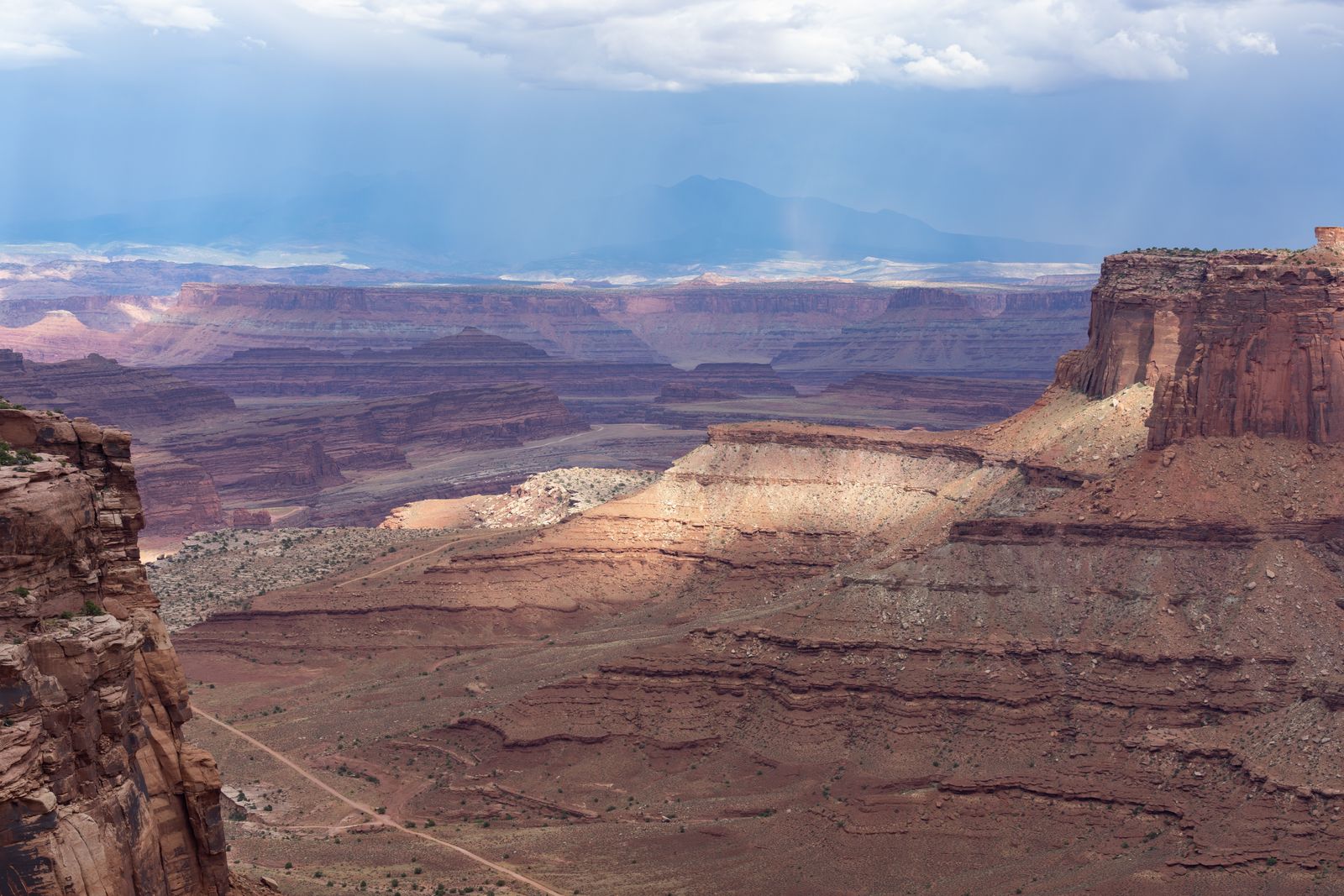
Planning a trip to Grand Canyon? Razzova’s guide to Grand Canyon, Arizona
Razzova’s guide to Grand Canyon, Arizona is built for travelers who want more than a list of famous photo spots. Grand Canyon has a particular rhythm, and the best experience comes from understanding how the landscape, neighborhoods, seasons, local routines, and practical logistics fit together. Whether this is your first visit or you are returning with a better itinerary in mind, a little preparation can make the trip noticeably easier. The goal is not to rush through every attraction. It is to leave enough room for the moments that make a destination feel real: an early walk, an unexpected viewpoint, a local meal, or a quiet stretch away from the busiest crowds.
Why Grand Canyon belongs on your itinerary
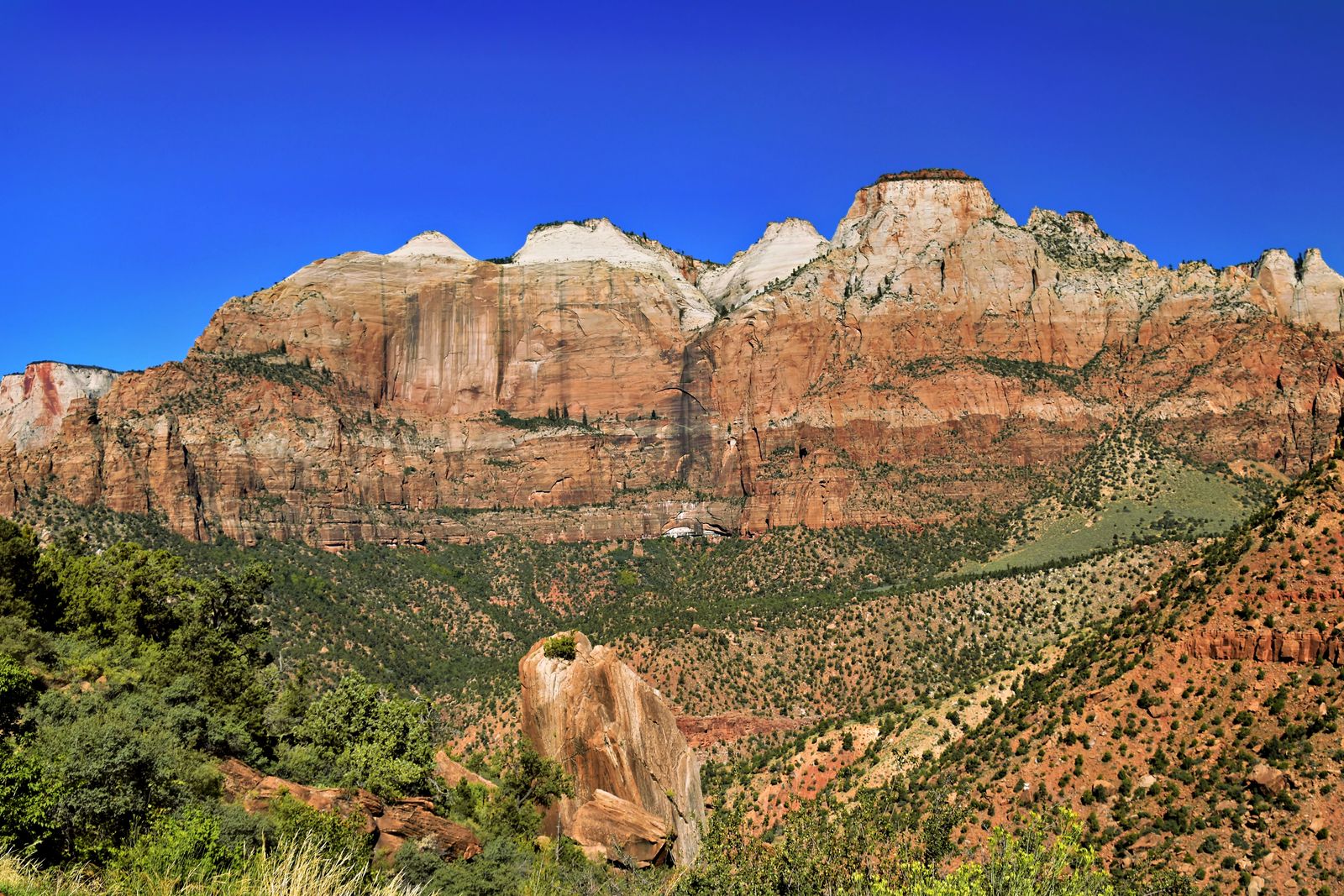
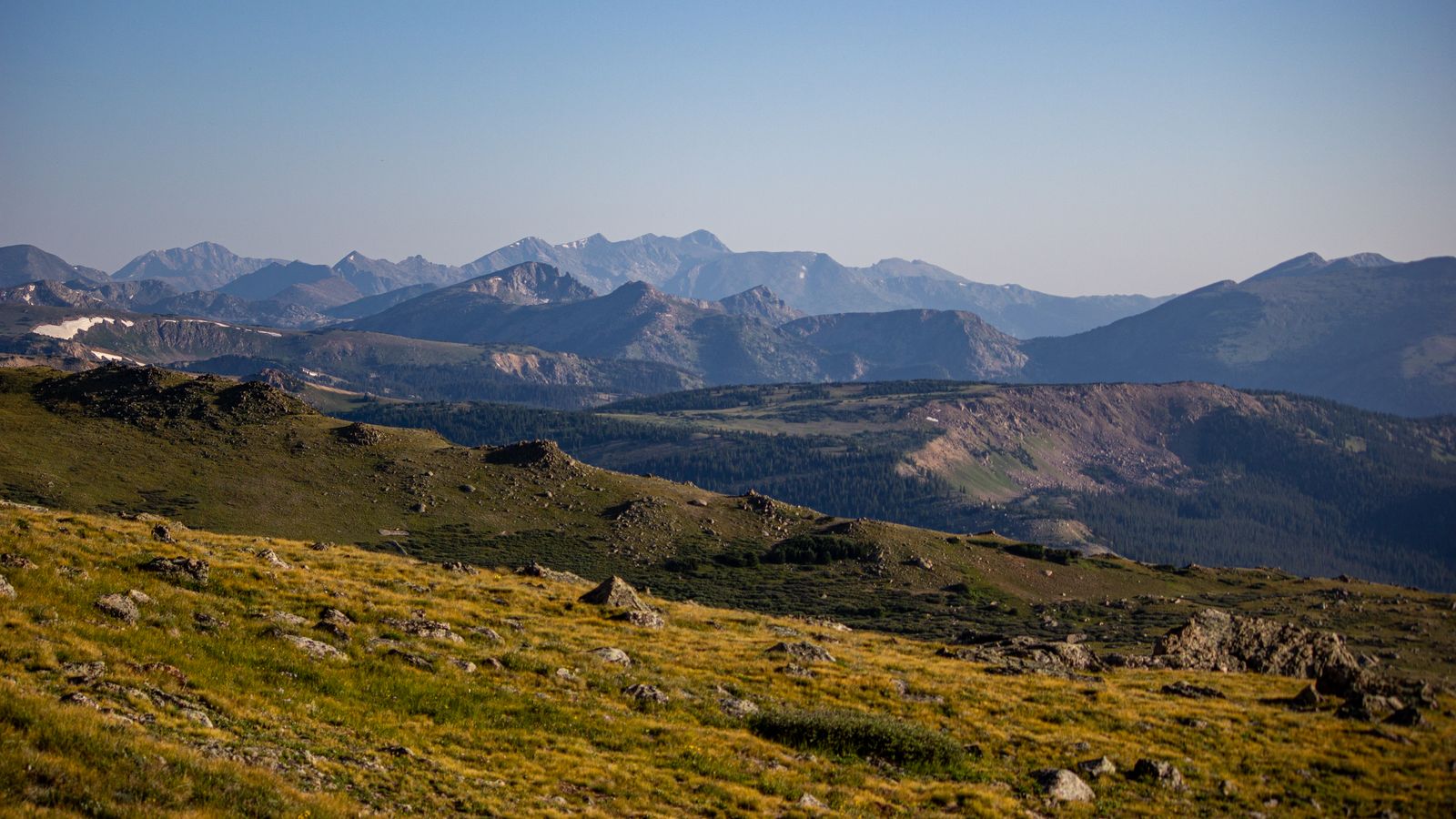
The appeal of Grand Canyon is that it offers a strong sense of place rather than a generic vacation experience. In Arizona, the surroundings shape what visitors do and how they move through the area. Some travelers come for iconic scenery, while others are drawn by food, history, outdoor recreation, architecture, wildlife, or simply the chance to slow down. That variety makes Grand Canyon useful for different kinds of trips. Couples can build a relaxed itinerary, families can focus on accessible attractions, and independent travelers can spend more time exploring at their own pace. The trick is to choose a few priorities instead of trying to turn one trip into a checklist of everything.
Best time to visit
Timing can change the character of a trip to Grand Canyon. Weather, daylight, crowds, road conditions, and seasonal events all matter. For outdoor-heavy itineraries, comfortable temperatures and longer daylight hours can make a major difference. Shoulder seasons are often worth considering because they can offer a better balance between pleasant conditions and manageable crowds. Summer may be popular, but popularity can also mean higher prices and heavier traffic. Winter can create a completely different atmosphere, sometimes with beautiful scenery and fewer visitors, but it may also require more careful planning. Before leaving, check current weather, official park or attraction notices, road closures, reservation rules, and local advisories rather than relying on an old blog post.
What to see and do
A good first day in Grand Canyon should not be overloaded. Start with the destination’s signature experience, then leave time for something less obvious. If you are interested in scenery, look for viewpoints at different times of day because changing light can completely alter a landscape. If the destination is more urban, explore beyond the central tourist corridor and spend some time in a neighborhood where people actually live. Food is another easy way to understand a place. Try a local specialty, visit an independent café, or ask a resident where they would eat on an ordinary weekend. Travelers often remember these smaller experiences more clearly than another rushed attraction.
How to plan your days
For most visitors, the smartest approach is to group activities by location. That sounds simple, but it prevents a surprising amount of wasted time. Instead of crossing Grand Canyon repeatedly, choose one area for the morning and another nearby area for the afternoon. Build in a buffer for traffic, parking, security lines, weather, and the inevitable delay that happens when something interesting appears along the way. If you are traveling with children or older relatives, reduce the number of stops and increase the time at each stop. If you are traveling alone, you can be more flexible. A realistic itinerary usually feels better than an ambitious one that collapses by the second day.
Where to stay
Choosing the right base can matter as much as choosing the right attractions. In Grand Canyon, look at the map before booking and think about what you will actually do each day. Staying close to the main sights can save transportation time, while a quieter neighborhood may provide a better evening experience. Travelers with early starts should prioritize convenience over a trendy address. Those planning a longer stay may prefer an area with grocery stores, restaurants, laundry access, and reliable transportation. Always check recent reviews for cleanliness, noise, parking, and cancellation policies. Prices can move sharply around holidays and major events, so flexibility can be valuable when your schedule allows it.
Food and local experiences
One of the easiest mistakes in travel is treating food as an afterthought. Grand Canyon is better experienced when meals become part of the itinerary rather than interruptions between attractions. Look for restaurants that have a strong local following, independent bakeries, markets, food halls, or neighborhood cafés. You do not need every meal to be expensive. In fact, some of the most useful discoveries come from ordinary places that serve the food locals actually eat. If you have dietary restrictions, research ahead and keep a few reliable options saved offline. A good meal can also be a practical reset in the middle of a busy sightseeing day.
Practical tips and common mistakes
Keep your plans flexible, especially if your trip includes outdoor activities. Carry water, comfortable footwear, sun protection, and a backup layer when conditions can change quickly. Download maps before heading into areas with weak service. Keep identification, reservations, and important travel details accessible without depending entirely on mobile data. One common mistake is assuming that a famous destination is easy to navigate simply because it is popular. Parking can fill, reservations can sell out, and the most attractive viewpoint may require more walking than expected. Another mistake is ignoring local rules. Stay on marked trails, follow posted signs, respect private property, and leave natural areas exactly as you found them.
A simple itinerary idea
For a short visit, think in terms of experiences rather than a long attraction list. On day one, get oriented and visit the destination’s defining landmark or landscape. On day two, explore a different side of Grand Canyon, ideally with more time outdoors or in a local neighborhood. If you have a third day, use it for the experience you would regret missing, then keep part of the day unplanned. That final buffer is useful for weather changes, spontaneous discoveries, or simply resting. Travelers often underestimate how much energy sightseeing consumes. A trip feels more memorable when there is enough breathing room to actually notice where you are.
Final thoughts
Grand Canyon is worth visiting because it offers a combination of scenery, culture, and experiences that cannot be reduced to a single photograph. The best trip is not necessarily the one with the most stops. It is the one where your schedule matches your interests and the realities of the destination. Do the basic research, reserve anything that genuinely requires advance planning, and then leave some space for curiosity. Razzova’s approach is simple: use guides to make smarter decisions, not to travel on autopilot. Before departure, verify official opening hours, fees, permits, weather, transportation, and safety information because these details can change. With that groundwork handled, you can spend less time troubleshooting and more time enjoying Grand Canyon.
What's Your Reaction?
 Like
0
Like
0
 Dislike
0
Dislike
0
 Love
0
Love
0
 Funny
0
Funny
0
 Angry
0
Angry
0
 Sad
0
Sad
0
 Wow
0
Wow
0